The Dopamine of Nature: Reclaiming the Biophilic Brain
Beyond the Concrete Jungle: Why “Natural Highs” are the Essential Antidote to Digital Burnout and Neural Fatigue in 2026.
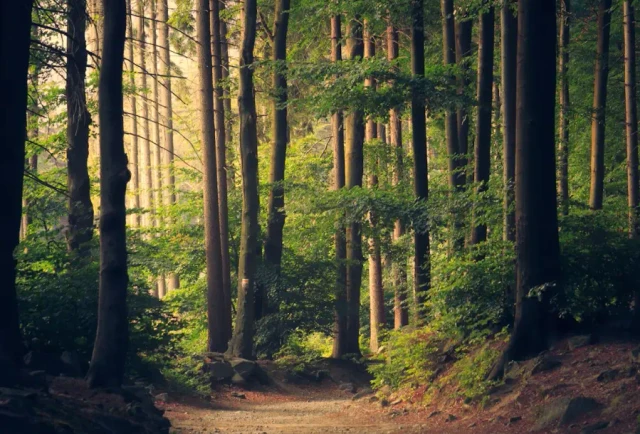
In 2026, we are living through a “Sensory Crisis.” As we spend more hours in meta-verses and artificial environments, our brains are starving for the complex, fractal patterns of the natural world. In 2026, we have identified Nature Deficit Disorder not just as a concept, but as a biological reality that lowers our dopamine baseline and increases cortisol. The solution? Biophilic Resetting.
Your brain evolved over millions of years to process the sounds of running water, the rustle of leaves, and the vastness of the horizon. In 2026, we understand that these “Natural Signals” provide a unique type of dopamine—one that is sustainable and restorative, unlike the “Spiky Dopamine” we get from social media notifications (Article 26). Reconnecting with nature is the ultimate neural recalibration.
The 2026 Science: Fractal Healing. Looking at natural fractals (like the patterns in trees or clouds) has been shown to reduce stress levels by up to 60% in minutes. It shifts the brain from “High-Beta” waves (Anxiety) to “Alpha” waves (Relaxed Alertness).
The 2026 Nature Immersion Protocol
To thrive in a digital world, you must supplement your life with “Green and Blue Time.” Here is the 2026 framework for biophilic health:
- The 20-Minute “Forest Bath”: Even in urban environments, spending 20 minutes in a park without a phone lowers systemic inflammation and boosts the production of Natural Killer (NK) cells.
- Acoustic Re-wilding: Listening to natural soundscapes (birds, rain, wind) rather than white noise. In 2026, these sounds are used to synchronize the brain’s circadian rhythms (Article 3).
- The “Horizon View”: Our eyes were designed to look at the distance. Spending time looking at the horizon (Article 28) tells the Vagus nerve (Article 32) that the environment is safe, lowering the “Threat Response.”
- Biophilic Interiors: Bringing the outside in. In 2026, office spaces are designed with “living walls” and natural light mimics to prevent the cognitive decline associated with windowless rooms.
Comparison: Digital Dopamine vs. Nature Dopamine
| Feature | Digital Dopamine (Screens) | Nature Dopamine (Biophilia) |
|---|---|---|
| Duration | Short-lived / Instant Crash | Sustained / Long-term Calm |
| Neural Impact | Overstimulates the Amygdala | Soothes the Nervous System |
| Attention Type | “Directed” (Tiring) | “Soft Fascination” (Restorative) |
| Physical Result | Increased Muscle Tension | Lowered Blood Pressure |
The “Grounding” Connection
In 2026, we have returned to the ancient practice of Earthing. Physical contact with the Earth’s surface—walking barefoot on grass or sand—allows the body to absorb free electrons. These electrons act as the ultimate natural antioxidant, neutralizing the oxidative stress (Article 30) built up from hours of proximity to electronic devices. It is the most primal form of “Bio-Electrical Balancing” available to us.
Conclusion: Returning Home
In 2026, we recognize that we are not separate from nature; we are nature. When you step away from the screen and into the sunlight, you aren’t just taking a break—you are returning to the environment your biology understands best. Protect your “Nature Time” with the same intensity you protect your battery life. The future is high-tech, but our health will always remain high-touch. Go outside, look at the sky, and let your brain breathe.