Ultimate Preventive Healthcare in 2026: Early Disease Detection and Future Medicine
Preventive Healthcare in 2026 is transforming the global medical system by shifting focus from treating diseases to preventing them before they occur. With the rise of AI, wearable devices, and advanced diagnostics, early disease detection has become faster, more accurate, and more accessible than ever.
In 2026, healthcare systems around the world are increasingly adopting predictive medicine models that rely on data, artificial intelligence, and continuous patient monitoring to detect health risks at an early stage.
This shift is improving survival rates, reducing healthcare costs, and enabling doctors to intervene before diseases become life-threatening.
What Is Preventive Healthcare in 2026?
Preventive healthcare in 2026 refers to modern medical practices that aim to detect diseases early or prevent them entirely through regular screenings, AI analysis, and personalized health monitoring systems.
Instead of waiting for symptoms to appear, healthcare providers now use predictive tools to identify risks before they develop into serious conditions.
Why Early Disease Detection Matters
Early disease detection is one of the most important advancements in modern medicine. Detecting illnesses at an early stage significantly increases treatment success rates and reduces medical costs.
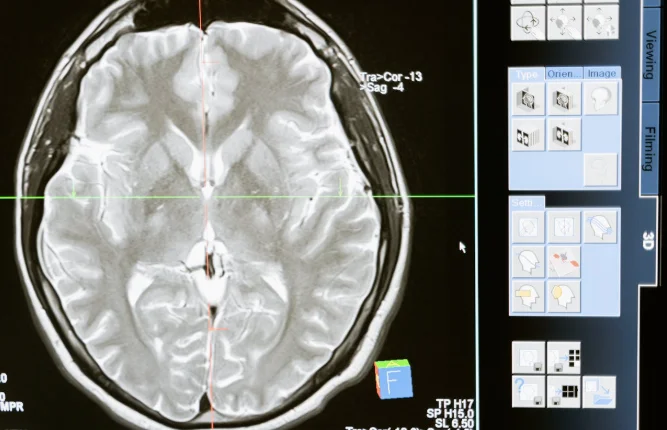
AI-powered diagnostic systems can now analyze medical scans, blood tests, and patient data to detect diseases such as cancer, diabetes, and heart conditions much earlier than traditional methods.
How AI Is Changing Preventive Healthcare
Artificial intelligence plays a major role in preventive healthcare in 2026 by analyzing large volumes of medical data and identifying patterns that humans might miss.
AI systems can detect subtle changes in medical images and predict disease risks with high accuracy, enabling doctors to take early action.
Key Technologies in Preventive Healthcare
- AI-powered diagnostic systems
- Wearable health monitoring devices
- Genetic testing and personalized medicine
- Cloud-based medical data analysis
- Smart hospital systems
Benefits of Preventive Healthcare in 2026
One of the biggest advantages of preventive healthcare is cost reduction. Treating diseases early is far cheaper than treating advanced stages.
It also improves patient outcomes by increasing survival rates and reducing complications.
Additionally, preventive healthcare reduces pressure on hospitals and healthcare systems worldwide.
Real-World Examples of Early Detection Systems
In 2026, AI-based systems are already being used in hospitals to detect cancer, heart disease, and neurological disorders at early stages.
Recent studies show that AI models can detect diseases like pancreatic cancer months or even years before traditional diagnosis methods.
Challenges of Preventive Healthcare
Despite its benefits, preventive healthcare faces challenges such as data privacy concerns, high technology costs, and the need for trained professionals to interpret AI results.
Healthcare systems must balance innovation with ethical and regulatory considerations.
The Future of Preventive Healthcare
The future of preventive healthcare is highly data-driven and AI-powered. Experts predict that most hospitals will rely on predictive systems to monitor patient health in real time.
Wearable devices and smart health platforms will continue to play a major role in early disease detection and continuous monitoring.
This will lead to a future where diseases are treated before symptoms even appear.
Related Articles
Machine Learning for Beginners 2026
Emerging Technology Trends 2026
External Sources
Learn more about preventive healthcare research from trusted global health organizations:
World Health Organization (WHO)
Centers for Disease Control and Prevention (CDC)
National Institutes of Health (NIH)
Conclusion
Preventive Healthcare in 2026 represents a major shift in modern medicine. With AI-driven diagnostics and early disease detection systems, healthcare is becoming more proactive, efficient, and life-saving.
As technology continues to evolve, preventive healthcare will become the foundation of global medical systems in the coming years.
❓ Frequently Asked Questions (FAQ)
❓ What is preventive healthcare in 2026?
Preventive healthcare in 2026 focuses on early detection of diseases, AI diagnostics, and personalized treatments to prevent serious health issues.
❓ Why is early disease detection important?
Early detection helps treat diseases before they become severe, increasing survival rates and reducing treatment costs.
❓ How is AI used in preventive healthcare?
AI analyzes medical data, predicts health risks, and helps doctors detect diseases at early stages with higher accuracy.
❓ What technologies support preventive healthcare?
Wearable devices, AI diagnostics, genetic testing, and smart health monitoring systems all support preventive healthcare.
❓ Is preventive healthcare effective?
Yes, it significantly reduces disease risks, improves life expectancy, and helps maintain better long-term health.