The Micro-Workout Revolution: Can 10 Minutes of “Exercise Snacking” Replace the Gym?
Beyond the Hour-Long Session: Why Short, Intense Bursts of Movement are Rewriting the Rules of Cardiovascular Health and Metabolic Resilience.
For decades, the fitness industry has operated under a rigid “all-or-nothing” dogma: if you don’t spend at least 45 to 60 minutes in a continuous state of exertion, the biological benefits are negligible. This traditional model has created a massive psychological barrier for the modern workforce, leading millions to abandon fitness altogether due to time constraints. However, as we move through 2026, a radical shift is occurring. Welcome to the era of Micro-Workouts—also known as “Exercise Snacking.” Emerging clinical research suggests that breaking your physical activity into tiny, potent bursts throughout the day isn’t just a “hack” for busy people; it may actually be superior for long-term health than one long, isolated gym visit.
The fundamental flaw of the traditional gym model isn’t the exercise itself; it’s the Sedentary Compensation that often follows. Many individuals spend an intense hour at the gym only to remain stationary for the next 10 hours at a desk. This creates a metabolic “stagnation” that even the most grueling session struggle to reverse. Micro-workouts solve this by providing constant biological “pokes” to your metabolism, keeping your fat-burning enzymes active from sunrise to sunset.
The Physiology of the “Bout”: How 2 Minutes Changes Your Blood Chemistry
When you perform a 2-minute burst of high-intensity movement—such as sprinting up a flight of stairs, doing air squats between meetings, or holding a vigorous plank—your body undergoes a rapid and measurable physiological shift. This short “bout” is enough to trigger the release of myokines, small proteins produced by muscle fibers that act as messengers to the rest of the body. Myokines have anti-inflammatory effects and have been shown to improve brain function and insulin sensitivity almost instantly.
Crucially, micro-workouts target the “post-prandial” blood sugar spike. A landmark study published in 2025 showed that just 3 minutes of bodyweight exercises every half hour can reduce glucose spikes after meals by up to 30%. This is more effective than many pharmaceutical interventions for managing pre-diabetic markers, simply by utilizing the muscles as a glucose sponge throughout the day. By “snacking” on movement, you prevent the metabolic “sludge” that leads to atherosclerosis and weight gain.
VILPA: The Silent Life-Saver of 2026
Researchers at the University of Sydney have pioneered the study of VILPA (Vigorous Intermittent Lifestyle Physical Activity). Their findings are staggering: people who engage in just three to four 1-minute bouts of vigorous activity during daily tasks (like carrying heavy groceries or running for a train) see a 40% reduction in all-cause mortality and a 50% reduction in cardiovascular-related deaths. This suggests that the human heart responds far more powerfully to intensity and frequency than it does to sheer duration.
The “Sitting Disease” Antidote: Re-booting Lipoprotein Lipase
We’ve all heard that “sitting is the new smoking,” but the biological reason is often overlooked. The real danger of prolonged sitting is the shutdown of Lipoprotein Lipase (LPL). LPL is an enzyme responsible for breaking down fats in the bloodstream and converting them into energy. When you sit for more than 60 minutes, LPL levels in your legs plummet. A 2-minute micro-workout “reboots” this enzyme, ensuring that your blood lipids are being processed rather than stored as visceral fat.
Beyond the physical, the mental health implications of micro-workouts are profound. Long, daunting workouts can sometimes feel like an added stressor on a busy day, leading to elevated cortisol. Micro-workouts, however, provide a “Dopamine Reset” without the systemic exhaustion. They offer a moment of mindfulness and physical presence that clears “Zoom fatigue” and improves creative problem-solving by increasing cerebral blood circulation.
Implementing the “Exercise Snacking” Protocol: The 2026 Strategy
You don’t need a gym kit or a shower to join the micro-revolution. The goal is to accumulate “movement points” throughout the day. Here is how to structure your day for maximum metabolic impact:
- The Commute Burst: If you take a train or bus, walk briskly for 2 minutes or take the stairs instead of the elevator. Aim for a heart rate increase that makes you slightly breathless.
- The 90-Minute Rule: Set a timer for every 90 minutes of focused work. When it goes off, perform 20 jumping jacks or 15 wall pushes. This clears “brain fog” by flushing the brain with fresh, oxygenated blood.
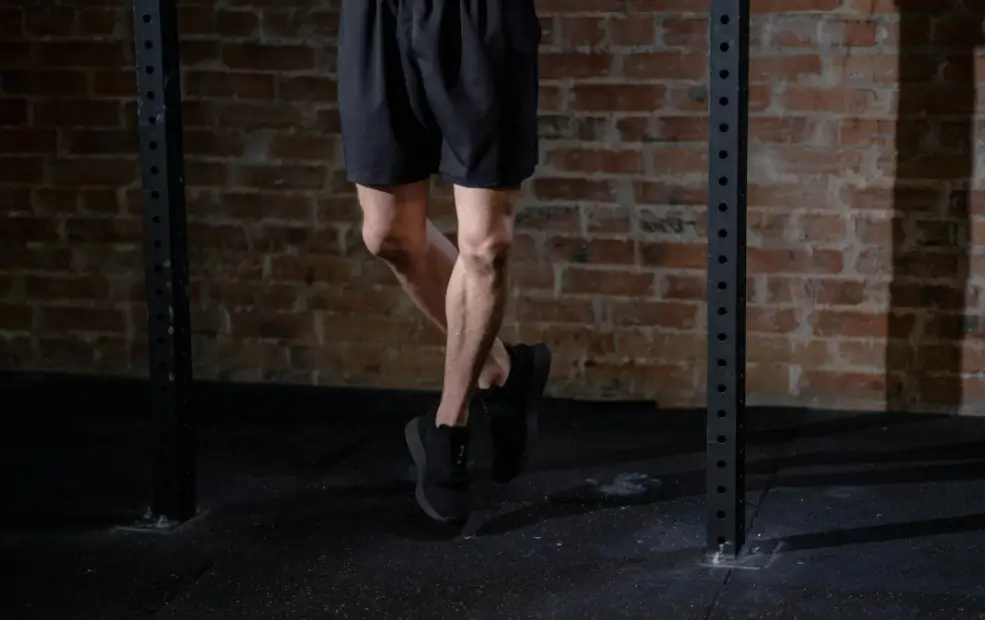
- The “Dead Minute” Challenge: While waiting for the microwave, brewing coffee, or standing in line, perform isometric glute squeezes or calf raises. These moments are the secret to cumulative fitness.
| Activity | Duration | Primary Benefit |
|---|---|---|
| Stair Climbing | 60 Seconds | VO2 Max & Heart Strength |
| Wall Sits / Planks | 2 Minutes | Core Stability & Focus |
| Brisk Walking | 5 Minutes | Glucose Clearance |
Why It Matters: The End of “All or Nothing”
For the modern user, the “Exercise Snacking” revolution is about removing the biggest barrier to health: Psychological Friction. When you view fitness as a series of small, manageable wins rather than a daunting, time-consuming chore, consistency skyrockets. You no longer have to “find an hour”—you only have to find a minute. This shift eliminates the guilt associated with missing a gym session and replaces it with a sustainable, lifelong rhythm of movement. In 2026, the most fit individuals aren’t necessarily the ones with the most expensive gym memberships, but the ones who never stay still for too long.
Conclusion: The Future is Small
The Micro-Workout revolution is a testament to the idea that consistency beats intensity every single time. By weaving movement into the fabric of your daily life, you stop treating health as a destination and start treating it as a pulse. Your body doesn’t care about the designer leggings or the social media-worthy gym background; it cares about the signal you send it. Send the signal of vitality, however briefly, and you will unlock a level of health that 60 minutes once a week could never provide. The gym of the future isn’t a building—it’s your lifestyle.