
Union City, Michigan – A Complete Guide to History, Lifestyle, Economy, and Attractions
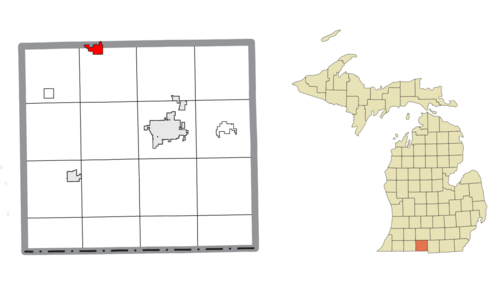
Tucked quietly in Branch County in southern Michigan, Union City is the kind of small American town that often surprises visitors. At first glance, it might look like a typical rural community—peaceful streets, historic buildings, and friendly neighbors. But once you spend a little time there, you start noticing something deeper: a strong sense of heritage, a tight-knit community, and a pace of life that many people today are searching for.
Union City sits near the St. Joseph River, surrounded by farmland, forests, and lakes that reflect the natural beauty Michigan is known for. While large cities dominate headlines, towns like Union City quietly form the backbone of the Midwest. They preserve traditions, support local businesses, and provide a lifestyle centered around community rather than constant hustle.
What makes Union City especially interesting is how its history, economy, and culture intersect. From its beginnings as a frontier settlement to its growth alongside the railroad era, the town has experienced the same transformations that shaped much of the United States.
For people researching small-town living in Michigan, Union City often comes up as an appealing option. Housing costs tend to be more affordable than in large metropolitan areas, yet residents still enjoy access to outdoor recreation, schools, and nearby cities like Coldwater, Battle Creek, and Kalamazoo.
Visitors also find plenty to appreciate. Whether it’s fishing along the river, attending a local festival, or simply walking through historic downtown streets, Union City offers experiences that feel authentic and grounded.
This guide explores everything you might want to know about Union City, Michigan—its history, geography, population, economy, lifestyle, and attractions.
The History of Union City, Michigan
Like many towns across the Midwest, Union City’s story begins with pioneers searching for land, opportunity, and a fresh start. During the early 19th century, settlers began moving into southern Michigan after treaties opened the region for European-American settlement.
Union City officially developed during the mid-1800s, a time when communities across Michigan were forming rapidly. Early settlers built homes, farms, mills, and small businesses that supported the growing population.
Agriculture quickly became the backbone of the local economy. Families cultivated crops such as corn, wheat, and oats, while livestock farming also played an important role.
Local institutions soon followed. Churches, schools, and general stores formed the social center of the town where neighbors gathered and built relationships that often lasted generations.
Early Settlement and Founding Years
The earliest settlers in the Union City area arrived during the 1830s and 1840s, when Michigan was still developing as a young state. At the time, the region was largely wilderness covered in forests and intersected by rivers and wetlands.
Many of the first settlers came from New York, Pennsylvania, and New England. They brought farming knowledge, construction skills, and cultural traditions that helped shape the emerging community.
Life during those early years was far from easy. Families often lived in log cabins and relied heavily on each other for survival. Food preservation, woodworking, blacksmithing, and farming were essential daily skills.
Despite the challenges, the community grew steadily. Small businesses began appearing—general stores, blacksmith shops, grain mills, and other services that supported both farmers and travelers.
Education quickly became a priority. Early settlers built one-room schoolhouses where children of different ages learned together.
Railroad Expansion and Economic Growth
One of the most important developments in Union City’s history was the arrival of the railroad in the late 19th century. Railroads acted as economic lifelines for towns across the United States.
For Union City, the railroad transformed daily life. Farmers could ship crops and livestock to distant cities far more efficiently than before.
This change encouraged expansion. Warehouses, grain elevators, and supply depots began appearing near the rail lines while local businesses flourished.
Railroads also brought people. New settlers arrived looking for work, land, or business opportunities, and skilled workers found employment connected to the growing transportation network.
During this period, Union City developed a stronger commercial district. Shops, hotels, restaurants, and service businesses emerged along the main streets. Many historic buildings that still stand today date back to this era.
Although the importance of railroads declined in the 20th century with the rise of automobiles and highways, their legacy remains deeply embedded in Union City’s identity.
Modern Lifestyle in Union City
Today, Union City offers a peaceful lifestyle that attracts families, retirees, and people looking for a slower pace of life. Residents enjoy a strong sense of community, where neighbors know each other and local events bring people together.
Outdoor recreation plays an important role in everyday life. Fishing, boating, hiking, and camping are popular activities thanks to nearby lakes, parks, and rivers.
The town also maintains local schools, small businesses, and community organizations that support residents and contribute to the town’s identity.
Local Attractions and Things to Do
Visitors to Union City can explore several attractions and activities that highlight the town’s charm and natural surroundings.
- Fishing and kayaking along the St. Joseph River
- Exploring historic downtown streets
- Local community festivals and seasonal events
- Nearby parks and outdoor recreation areas
- Small shops and family-owned restaurants
Conclusion
Union City, Michigan may be small, but it carries a rich history and a strong community spirit. From its early days as a frontier settlement to its development during the railroad era, the town reflects the broader story of the American Midwest.
For residents, it offers affordability, community connections, and access to nature. For visitors, it provides a glimpse into the charm and authenticity of small-town America.
Whether you’re researching relocation, exploring Michigan travel destinations, or simply curious about historic towns, Union City has a story worth discovering.