
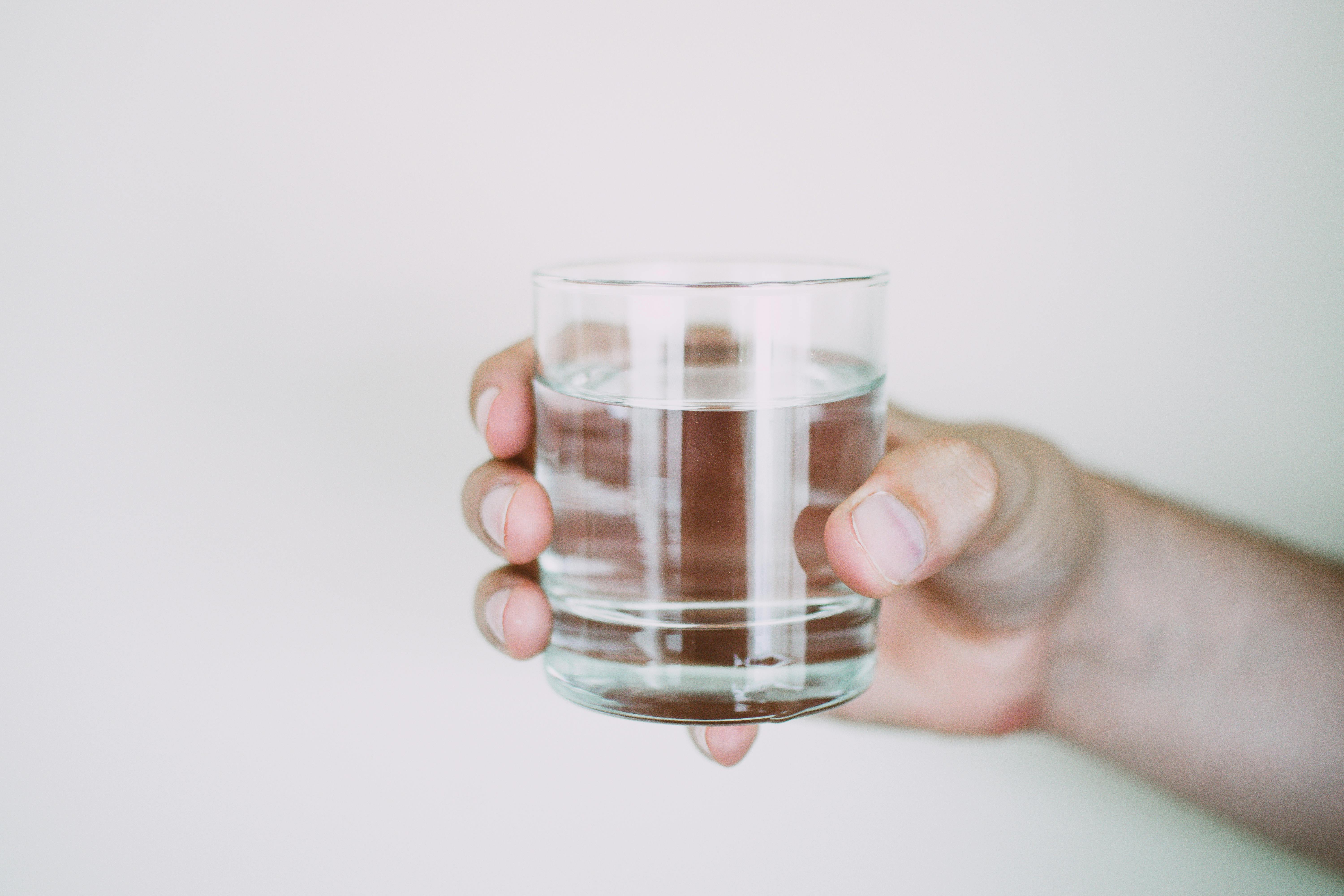
How Much Water Should You Drink Per Day? The Science Explained
Understanding Daily Hydration Needs
Water is essential for nearly every function in the human body. From regulating body temperature to transporting nutrients and supporting brain function, proper hydration plays a vital role in overall health.
Yet one of the most common health questions people ask is simple: how much water should you actually drink per day? The popular advice of drinking eight glasses of water daily is widely known, but modern research shows that hydration needs vary based on many factors.
Understanding how hydration works and how much water your body truly needs can help you maintain better energy levels, improve concentration, and support long-term health.
Why Water Is So Important for the Body
The human body is made up of about 60% water. This fluid supports critical biological processes that keep the body functioning properly.
Water helps transport oxygen and nutrients to cells, remove waste products through urine and sweat, lubricate joints, support digestion, and regulate body temperature.
Even mild dehydration can affect physical performance, mood, and cognitive abilities. This is why maintaining consistent hydration throughout the day is important.
The “8 Glasses a Day” Rule
The well-known recommendation to drink eight glasses of water per day—often referred to as the “8×8 rule”—is simple and easy to remember. It suggests drinking eight 8-ounce glasses of water, which equals about 2 liters or half a gallon.
While this guideline works reasonably well for many people, it is not a strict scientific rule. Hydration needs differ depending on body size, climate, physical activity, and overall health.
For some individuals, eight glasses may be enough, while others may require more.
What Health Experts Recommend
Health organizations often provide general hydration recommendations based on average needs.
For example, many nutrition experts suggest:
- About 3.7 liters (125 ounces) of total fluids per day for men
- About 2.7 liters (91 ounces) of total fluids per day for women
These numbers include all fluids consumed throughout the day, including water, tea, milk, and fluids obtained from foods such as fruits and vegetables.
Factors That Affect Your Water Needs
Daily hydration requirements can vary significantly depending on lifestyle and environmental factors.
Physical Activity
Exercise increases sweat production, which leads to fluid loss. People who exercise regularly need additional water to replace these lost fluids.
Climate and Temperature
Hot or humid environments increase sweating and fluid loss. People living in warm climates may need to drink more water than those in cooler regions.
Body Size and Metabolism
Larger individuals generally require more water because their bodies have more tissue that requires hydration.
Health Conditions
Illnesses such as fever, vomiting, or diarrhea can lead to rapid dehydration. In such cases, increasing fluid intake becomes especially important.
Signs You May Not Be Drinking Enough Water
The body often signals when it needs more hydration. Recognizing these signs can help prevent dehydration.
- Persistent thirst
- Dry mouth or dry skin
- Dark yellow urine
- Fatigue or headaches
- Difficulty concentrating
If you notice these symptoms regularly, it may be a sign that you need to increase your daily water intake.
Can You Drink Too Much Water?
Although rare, it is possible to drink excessive amounts of water in a short period. This condition, known as water intoxication or hyponatremia, occurs when sodium levels in the blood become dangerously diluted.
Most healthy adults naturally regulate water consumption through thirst, making this condition uncommon. Still, it is best to spread water intake throughout the day rather than drinking large amounts all at once.
Foods That Help Hydrate the Body
Hydration does not come only from drinking water. Many foods contain high amounts of water and contribute to overall fluid intake.
Examples of hydrating foods include:
- Watermelon
- Cucumbers
- Strawberries
- Oranges
- Lettuce
- Tomatoes
These foods provide both hydration and important nutrients such as vitamins, minerals, and antioxidants.
Tips for Staying Hydrated Throughout the Day
Maintaining good hydration habits does not need to be complicated. A few simple strategies can make a big difference.
- Start your morning with a glass of water
- Carry a reusable water bottle
- Drink water before meals
- Choose water instead of sugary drinks
- Eat fruits and vegetables with high water content
These small habits can help ensure that hydration becomes a natural part of your daily routine.
Conclusion
Water is one of the most essential elements for maintaining health and vitality. While the exact amount of water each person needs can vary, most adults benefit from consistent hydration throughout the day.
Listening to your body’s signals, maintaining balanced nutrition, and drinking fluids regularly can help support energy levels, cognitive function, and overall well-being.
Ultimately, staying hydrated is one of the simplest and most effective habits you can adopt for better health.