10 Best Anti‑Inflammatory Foods Backed by Nutrition Science
Reduce inflammation naturally with these nutrient-rich foods
Chronic inflammation is linked to numerous health issues, including heart disease, diabetes, arthritis, and certain cancers. Fortunately, diet plays a powerful role in managing inflammation. Incorporating anti-inflammatory foods into daily meals can support your body’s defenses, reduce oxidative stress, and promote long-term health.
Understanding Inflammation
Inflammation is a natural immune response to injury or infection. While acute inflammation is protective, chronic inflammation can damage tissues and contribute to disease. Diet, lifestyle, and genetics influence inflammatory processes.
Top 10 Anti‑Inflammatory Foods
1. Fatty Fish (Salmon, Mackerel, Sardines)
Rich in omega-3 fatty acids, these fish reduce inflammatory markers and support heart and brain health.
2. Berries (Blueberries, Strawberries, Raspberries)
High in antioxidants like anthocyanins, berries help reduce oxidative stress and inflammation at the cellular level.
3. Leafy Greens (Spinach, Kale, Swiss Chard)
Packed with vitamins, minerals, and phytonutrients that modulate inflammatory pathways and support detoxification.
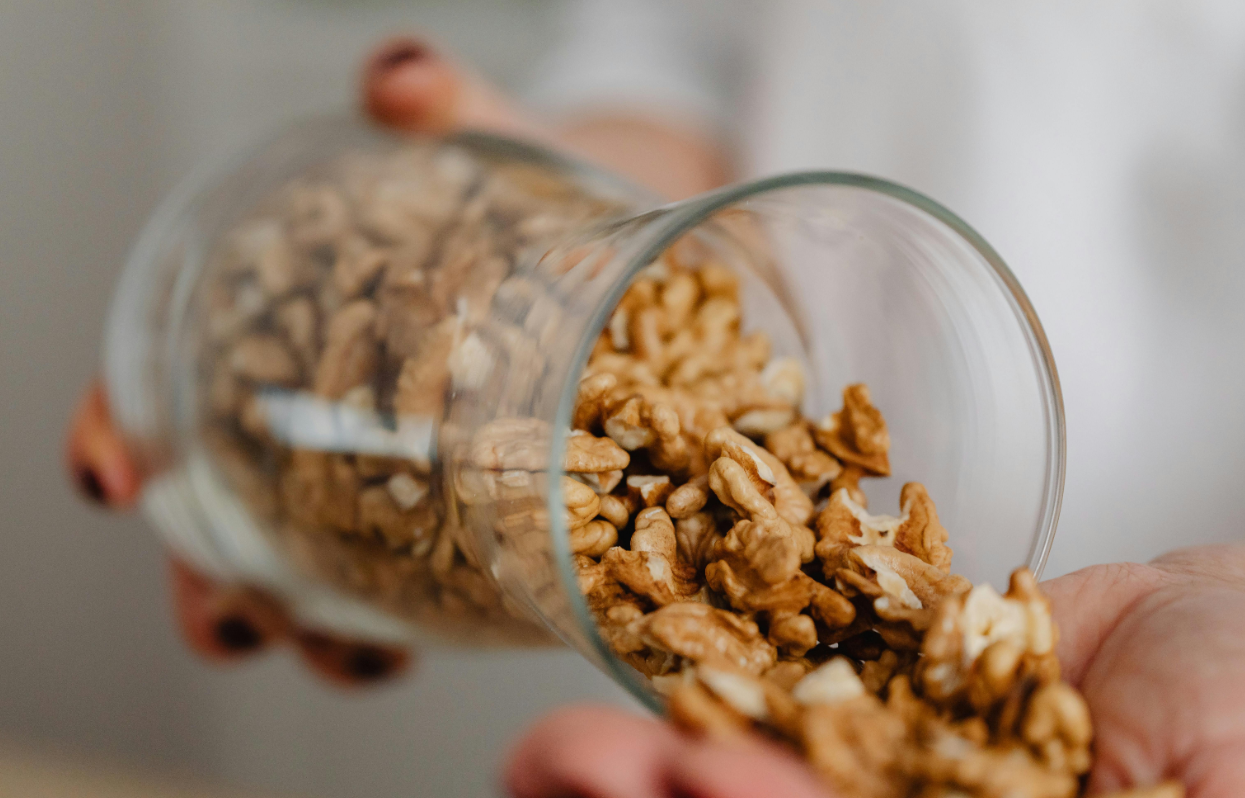
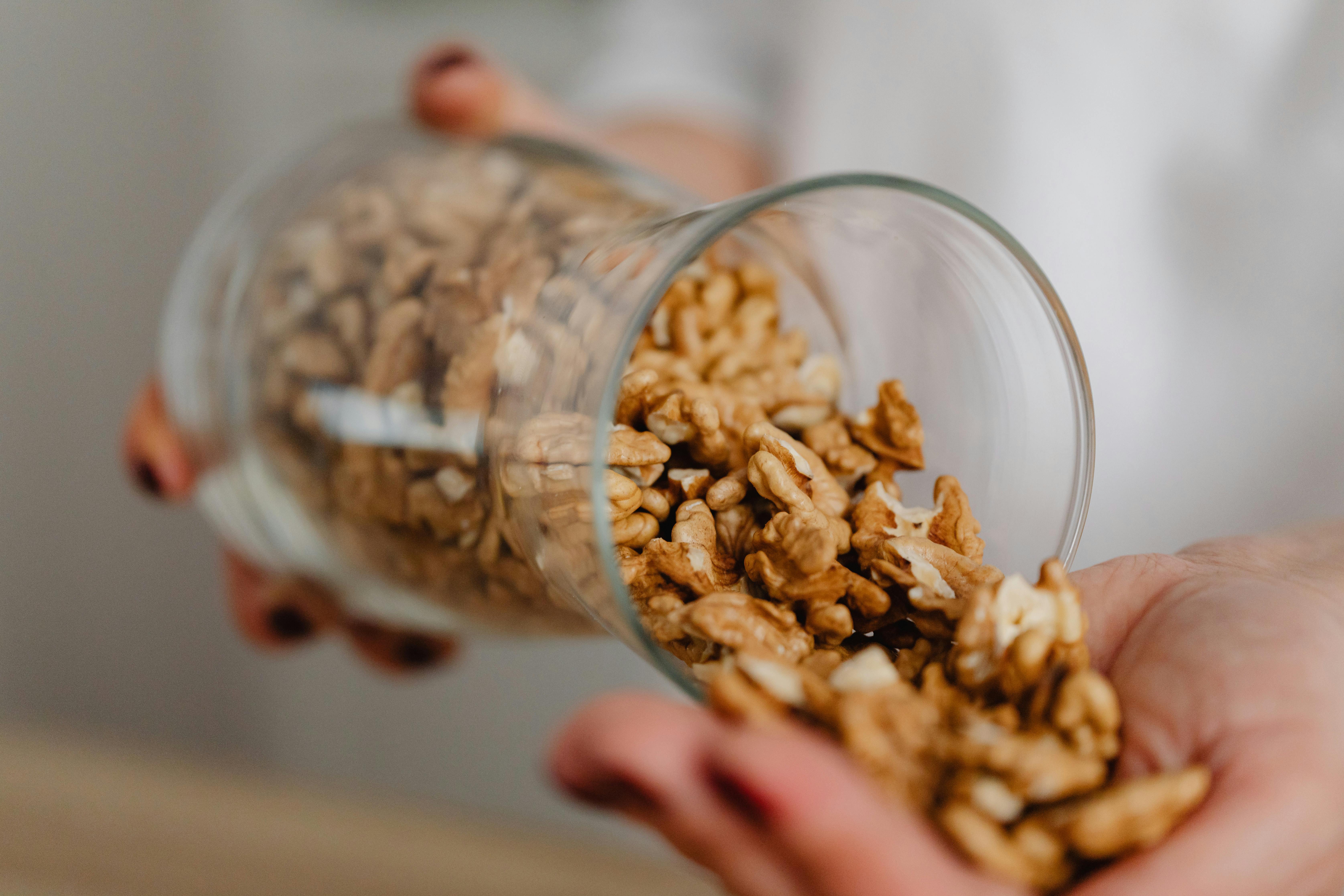
4. Nuts (Almonds, Walnuts, Pistachios)
Contain healthy fats, fiber, and polyphenols that improve lipid profiles and reduce systemic inflammation.
5. Olive Oil
Extra virgin olive oil is rich in monounsaturated fats and anti-inflammatory compounds like oleocanthal.
6. Tomatoes
High in lycopene, tomatoes help lower markers of inflammation and support heart health.
7. Turmeric
Curcumin, the active compound in turmeric, has potent anti-inflammatory and antioxidant effects.
8. Garlic
Contains sulfur compounds that modulate immune responses and reduce inflammatory activity.
9. Green Tea
Rich in catechins, green tea may help reduce systemic inflammation and protect against chronic disease.
10. Whole Grains (Oats, Quinoa, Brown Rice)
High in fiber and phytonutrients, whole grains help regulate blood sugar and lower inflammation markers.
Why It Matters
Chronic inflammation can silently damage your body over time, increasing the risk of serious diseases. Including anti-inflammatory foods in your diet supports long-term health, reduces oxidative stress, and enhances energy and vitality.
What This Means for Users
By consciously choosing anti-inflammatory foods, individuals can manage inflammation naturally, support immune function, improve heart and brain health, and reduce the risk of chronic conditions. Simple dietary adjustments, combined with regular exercise and stress management, can create a significant health impact.
Practical Tips
- Fill half your plate with colorful vegetables and berries daily.
- Incorporate fatty fish 2–3 times per week.
- Use extra virgin olive oil as your primary cooking oil.
- Add spices like turmeric and garlic to meals regularly.
- Replace refined grains with whole grains for added fiber and anti-inflammatory benefits.
Common Misconceptions
“Supplements are enough to reduce inflammation.”
Fact: Whole foods contain complex nutrients and compounds that work synergistically, which supplements alone often cannot replicate.
“Only old people need anti-inflammatory diets.”
Fact: Chronic inflammation can affect all ages; starting early supports long-term wellness.
Conclusion
Eating anti-inflammatory foods is one of the most effective ways to protect your body from chronic disease, maintain energy, and support longevity. By adopting these 10 foods into your daily routine, you can naturally combat inflammation and enhance overall health.