Ultimate Passwordless Authentication 2026: Why Tech Companies Are Moving Beyond Passwords
Passwordless Authentication 2026 is becoming one of the fastest-growing cybersecurity trends as technology companies search for safer and more convenient ways to protect user accounts. In 2026, traditional passwords are increasingly viewed as outdated due to rising cyber threats and data breaches.
Major technology companies are now investing heavily in password-free login systems that use biometrics, passkeys, and secure authentication technologies to improve online security and user experience.
As digital privacy concerns continue growing worldwide, passwordless authentication is becoming an important part of the future of cybersecurity.
What Is Passwordless Authentication?
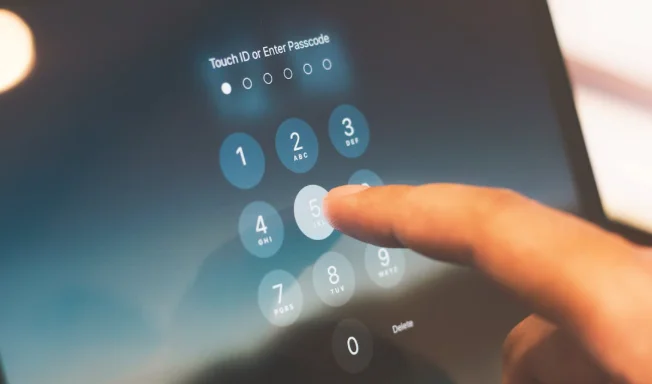
Passwordless authentication is a digital security method that allows users to access accounts without using traditional passwords.
Instead of memorizing passwords, users verify their identity through biometrics, authentication apps, hardware keys, or secure passkeys linked to their devices.
Why Passwords Are Becoming Less Secure
Traditional passwords are increasingly vulnerable to phishing attacks, credential theft, and large-scale data breaches.
Many users also reuse passwords across multiple websites, making online accounts easier for hackers to compromise.
- Weak passwords are easy to guess
- Phishing attacks continue increasing
- Password reuse creates security risks
- Data breaches expose millions of credentials
- Managing passwords can be difficult for users
How Passwordless Authentication Works
Passwordless systems use advanced authentication technologies to verify user identity securely.
- Fingerprint recognition
- Facial recognition systems
- Mobile authentication apps
- Hardware security keys
- Passkeys linked to trusted devices
These technologies improve security while making the login process faster and more convenient.
Benefits of Passwordless Authentication 2026
Passwordless authentication provides several important advantages for both businesses and internet users.
- Improved cybersecurity protection
- Reduced phishing attack risks
- Faster login experiences
- Better user convenience
- Lower account compromise rates
Many organizations are adopting passwordless systems to strengthen digital security and simplify user access.
Why Tech Companies Support Passwordless Security
Large technology companies are actively promoting passwordless authentication because it reduces cybersecurity risks while improving user experience.
Companies such as Google, Microsoft, and Apple are integrating passkeys and biometric login systems into their platforms and devices.
These systems help reduce reliance on traditional passwords while improving digital identity verification.
Challenges of Passwordless Authentication
Despite its advantages, passwordless authentication also faces challenges related to device compatibility, privacy concerns, and user adoption.
Some users remain hesitant about biometric systems and cloud-based authentication technologies.
Technology providers continue working to improve security standards and cross-platform compatibility.
Digital Privacy and Authentication Trends
As cybersecurity threats evolve, passwordless systems are becoming an important part of global digital privacy strategies.
Governments and businesses are investing more resources into secure authentication methods that protect sensitive information and online identities.
This transition is expected to reshape how users interact with digital platforms in the coming years.
Future of Passwordless Authentication in 2026
The future of passwordless authentication includes stronger biometric systems, AI-powered security verification, and universal passkey adoption across digital platforms.
As technology improves, password-free login systems are expected to become more accessible, secure, and widely accepted worldwide.
Importance of Online Security in 2026
Online security has become more important than ever as digital services continue expanding across business, healthcare, finance, and communication platforms.
Passwordless authentication is helping create safer online environments while reducing common cybersecurity risks associated with traditional passwords.
Learn More About Related Topics
Trusted External Resources
Conclusion
Passwordless Authentication 2026 is shaping the future of online security by replacing traditional passwords with safer and smarter authentication systems.
As cybersecurity threats continue evolving, password-free login technologies are expected to become a standard part of digital security across websites, apps, and online platforms worldwide.
FAQ – Passwordless Authentication 2026
What is passwordless authentication?
Passwordless authentication is a login method that allows users to access accounts without traditional passwords by using biometrics, passkeys, or authentication apps.
Why are companies moving beyond passwords?
Many companies are replacing passwords because traditional passwords are vulnerable to hacking, phishing attacks, and data breaches.
What technologies are used in passwordless authentication?
Common technologies include fingerprint recognition, facial recognition, passkeys, hardware security keys, and mobile authentication systems.
Is passwordless authentication more secure?
Yes, passwordless systems reduce the risk of stolen passwords and improve online security through stronger identity verification methods.
Which companies are adopting passwordless login systems?
Major technology companies including Google, Microsoft, Apple, and other digital platforms are expanding passwordless authentication systems.
What is the future of passwordless authentication?
The future includes wider adoption of biometric security, stronger digital identity systems, and more secure online experiences without traditional passwords.