Oil Markets in 2026: Dangerous Changes in Global Energy Demand
Oil Markets in 2026 are facing major uncertainty as global energy demand continues to shift across international markets. Rising geopolitical tensions, renewable energy investments, and changing economic conditions are all influencing oil prices worldwide.
Energy analysts say the global oil industry is entering a new phase where traditional supply and demand patterns are becoming less predictable. Countries are now balancing economic growth with long-term sustainability goals.
As oil-producing nations adjust production levels and global consumption patterns evolve, businesses and consumers are closely monitoring how these changes could impact fuel prices and economic stability.
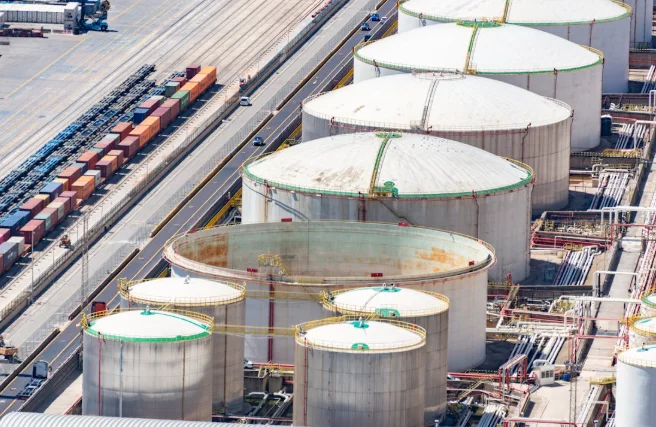
What Are Oil Markets in 2026?
Oil markets refer to the global system of crude oil production, transportation, trading, and consumption. In 2026, these markets are experiencing rapid changes due to economic uncertainty and evolving energy strategies worldwide.
Oil prices are influenced by supply levels, industrial demand, political events, and global trade conditions. Even small disruptions can create major price fluctuations across international markets.
Why Global Energy Demand Is Changing
Several factors are reshaping global energy demand in 2026. Many countries are investing heavily in renewable energy while industries continue to rely on fossil fuels for transportation and manufacturing.
- Growth of renewable energy projects worldwide
- Changing industrial production patterns
- Expansion of electric vehicle adoption
- Population growth and urbanization
- International trade and shipping demands
These developments are creating uncertainty for oil producers trying to predict future market demand.
Geopolitical Tensions and Oil Prices
Political instability and international conflicts continue to play a major role in global oil pricing. Sanctions, export restrictions, and regional tensions can quickly affect oil supply chains.
Energy markets often react immediately to geopolitical developments, causing sudden increases or decreases in global oil prices.
How Consumers and Businesses Are Affected
Oil price fluctuations impact transportation, food production, shipping costs, and manufacturing expenses. Rising fuel prices often contribute to higher inflation rates worldwide.
Businesses that depend heavily on transportation and logistics are particularly sensitive to changes in oil market conditions.
Renewable Energy and the Future of Oil
Renewable energy expansion is becoming one of the biggest long-term challenges for traditional oil markets. Governments are increasing investments in solar, wind, and clean energy infrastructure.
While oil remains essential for many industries, experts believe energy diversification will continue reducing dependence on fossil fuels over time.
Oil Markets in 2026 and Global Economic Stability
Oil markets in 2026 are closely connected to global economic performance. Stable oil prices help support economic growth, while extreme volatility can increase inflation and slow international trade.
Central banks and governments are carefully monitoring energy prices as part of broader economic stability strategies.
Related Articles on Our Site
Trusted External Sources
Conclusion
Oil markets in 2026 are entering a period of major transformation driven by economic uncertainty, renewable energy growth, and geopolitical developments. Energy demand patterns are changing rapidly across global markets.
As countries continue balancing economic growth with sustainability goals, oil markets will remain one of the most important factors influencing global economic stability and international trade.
Frequently Asked Questions
Why are oil markets unstable in 2026?
Oil markets are experiencing instability due to changing global demand, geopolitical tensions, and fluctuations in energy production.
How do oil prices affect the global economy?
Oil prices influence transportation, manufacturing, inflation, and energy costs worldwide, impacting both businesses and consumers.
What factors are driving global energy demand in 2026?
Economic recovery, industrial growth, renewable energy investments, and international trade are major factors affecting energy demand.
Are renewable energy sources affecting oil markets?
Yes. The expansion of renewable energy projects is reducing long-term dependence on fossil fuels in many countries.
Will oil prices continue to fluctuate in the future?
Experts believe oil prices may remain volatile due to global economic uncertainty and changing energy policies.