Renewable Energy Investments 2026: Global Surge in Clean Energy Spending
Renewable Energy Investments 2026 are increasing rapidly worldwide as governments continue expanding clean energy projects and reducing dependence on fossil fuels. Solar power, wind energy, and sustainable infrastructure are becoming major priorities in global economic strategies.
Renewable Energy Investments 2026 in countries across multiple regions are increasing rapidly, with billions of dollars being invested into renewable energy development to improve energy security and reduce environmental risks linked to climate change.
Experts believe these investments could significantly reshape global energy markets and influence economic growth over the next decade.
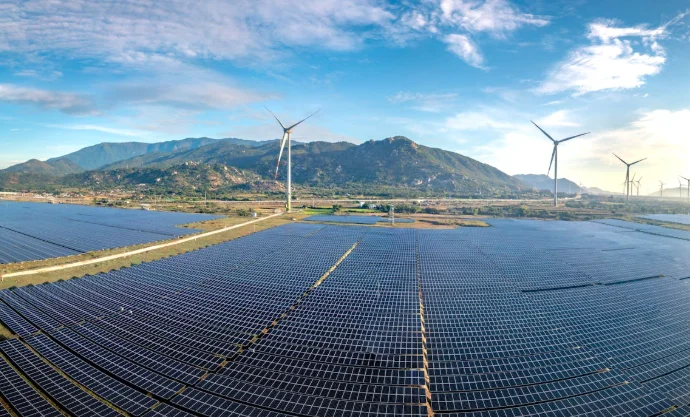
Renewable Energy Investments 2026: Future Global Energy Markets Outlook
Renewable Energy Investments 2026 refer to government and private sector spending focused on clean energy technologies such as solar, wind, hydroelectric, and battery storage systems.
These investments are designed to support sustainable development while helping countries transition toward cleaner and more efficient energy systems.
Why Governments Are Expanding Clean Energy Projects
Many governments are increasing renewable energy investments due to rising environmental concerns, energy market instability, and long-term economic goals.
- Reducing carbon emissions and pollution
- Improving national energy security
- Supporting long-term sustainability goals
- Creating jobs in clean energy industries
- Reducing dependence on imported fuels
International climate agreements are also encouraging countries to accelerate renewable energy development.
Solar and Wind Energy Continue to Grow
Solar and wind energy remain among the fastest-growing renewable energy sectors worldwide. Improvements in technology and lower production costs are making clean energy projects more affordable.
Large-scale solar farms and offshore wind projects are expanding rapidly in both developed and emerging economies.
Economic Benefits of Renewable Energy Investments
Renewable energy projects are creating employment opportunities and attracting international investment. Construction, engineering, and technology sectors are benefiting from increased clean energy spending.
Experts believe renewable energy could become one of the largest drivers of economic growth and industrial innovation over the coming years.
Challenges Facing Renewable Energy Expansion
Despite strong growth, renewable energy projects still face several challenges including infrastructure costs, energy storage limitations, and supply chain disruptions.
Some countries are also balancing renewable energy expansion with existing fossil fuel industries and economic pressures.
Renewable Energy Investments 2026 and Future Global Energy Markets
Renewable Energy Investments 2026 are expected to play a major role in shaping future global energy systems. Governments are increasingly focusing on cleaner technologies as part of long-term economic and environmental strategies.
Energy analysts believe international cooperation and technological innovation will continue accelerating the global transition toward sustainable energy.
The global transition toward renewable energy is expected to reshape electricity markets, reduce long-term energy costs, and create new opportunities for technological innovation worldwide.
Related Articles on Our Site
Trusted External Sources
Conclusion
Renewable Energy Investments 2026 highlight the growing global commitment to clean energy and sustainability. Governments worldwide are accelerating investments in solar, wind, and other renewable technologies to strengthen future energy systems.
As renewable energy projects continue expanding, they are expected to influence global markets, economic development, and environmental policies for many years ahead.
❓ Frequently Asked Questions (FAQ)
Why are governments increasing renewable energy investments in 2026?
Governments are investing more in renewable energy to reduce carbon emissions, improve energy security, and support sustainable economic growth.
Which renewable energy sectors are growing the fastest?
Solar power, wind energy, battery storage, and electric infrastructure are among the fastest-growing sectors.
How do renewable energy projects affect the economy?
Renewable energy projects create jobs, attract investments, and help reduce long-term energy costs.
Are renewable energy investments replacing fossil fuels?
Many countries are gradually reducing dependence on fossil fuels while increasing investments in clean energy alternatives.
What challenges face renewable energy expansion?
High infrastructure costs, energy storage limitations, and supply chain issues remain key challenges.