Global Cost of Living Crisis 2026: Why Prices Keep Rising Worldwide
Global Cost of Living Crisis 2026 has become one of the most critical economic challenges affecting people worldwide. Prices for food, housing, energy, and transportation continue to rise, putting pressure on families and businesses across the globe.
The Global Cost of Living Crisis 2026 continues to intensify as inflation and energy costs remain unstable across global markets.
In 2026, this crisis is no longer limited to developing countries. Even advanced economies are facing rising inflation, unstable markets, and increasing living costs.
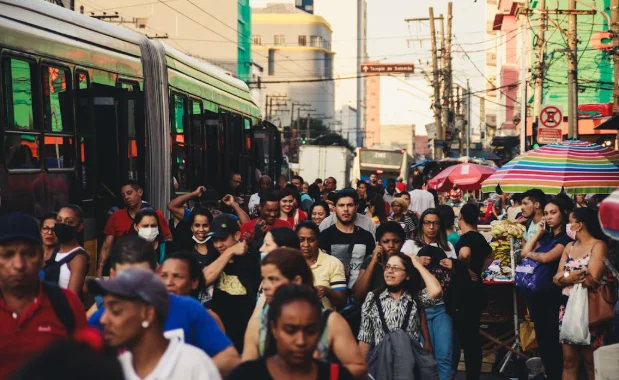
What Is Driving the Global Cost of Living Crisis?
1. Persistent Inflation
Inflation remains one of the main drivers of rising costs. Even when inflation slows down, prices rarely return to previous levels, creating long-term financial pressure on households.
2. Energy Price Volatility
Oil, gas, and electricity prices continue to fluctuate due to global political tensions and supply limitations, directly affecting transportation and production costs.
3. Supply Chain Disruptions
Global supply chains are still recovering from previous disruptions, leading to delays, higher shipping costs, and increased product prices.
4. Housing Market Pressure
In many countries, housing demand exceeds supply, causing rent and property prices to rise significantly, especially in urban areas.
How the Crisis Impacts Everyday Life
The rising cost of living affects daily life in several ways:
- Higher grocery and food prices
- Increased rent and housing costs
- Expensive fuel and transportation
- Reduced savings and purchasing power
- Growing financial stress on families
Which Regions Are Most Affected?
Developing Countries
Developing nations are heavily affected due to currency weakness, import dependency, and limited government subsidies.
Europe
Europe continues to struggle with high energy costs and housing shortages in many major cities.
United States
Inflation has stabilized but remains above historical averages, especially in housing and healthcare sectors.
Asia
Rapid urbanization and strong demand continue to push prices upward across several Asian economies.
Government Responses and Economic Measures
Governments worldwide are using different strategies to reduce the impact of the crisis:
- Interest rate adjustments by central banks
- Subsidies for fuel and essential goods
- Tax relief programs for low-income families
- Investment in local production and supply chains
The Global Cost of Living Crisis 2026 requires coordinated global policies to stabilize inflation and reduce economic pressure on households.
Future Outlook: Will Prices Go Down?
Experts believe that while inflation may stabilize in 2026, prices are unlikely to return to previous levels. The cost of living crisis is expected to remain a long-term global challenge.
- Moderate but persistent inflation
- Stable but high energy prices
- Ongoing housing market pressure
- Slow recovery in global trade efficiency
Long-Term Economic Outlook
Experts suggest that the global economy will continue to face structural challenges even beyond 2026. Factors such as climate change costs, geopolitical tensions, and technological disruptions will continue to influence prices and living standards worldwide.
While governments are implementing short-term relief measures, long-term stability will depend on productivity growth, energy transition, and global cooperation between major economies.
Consumers are also expected to adapt by changing spending habits, focusing on essential goods, and increasing financial planning awareness to cope with ongoing price pressures.
Understanding these changes helps individuals and businesses prepare for ongoing economic uncertainty.
Related Topics
Global Inflation Trends in 2026 | Digital Payments 2026 | Renewable Energy Investments 2026 | Digital Privacy in 2026
External References
Conclusion
The Global Cost of Living Crisis 2026 is reshaping global economies and affecting millions of households. While governments are trying to control inflation, structural issues mean the impact will continue for years.
Understanding these changes helps individuals and businesses prepare for ongoing economic uncertainty.
FAQ
❓ What is the Global Cost of Living Crisis 2026?
It refers to rising prices of essential goods and services worldwide due to inflation and economic instability.
❓ Why are prices rising globally?
Due to inflation, energy costs, supply chain issues, and housing shortages.
❓ Will inflation go down in 2026?
Inflation may stabilize but prices are unlikely to return to previous levels.
❓ Which countries are most affected?
Developing countries, Europe, and parts of Asia are most affected.