Global Water Shortage 2026: Dangerous Rising Clean Water Crisis Worldwide
Global Water Shortage 2026 is becoming one of the most serious global challenges as access to clean and safe water continues to decline in many regions around the world.
Rising temperatures, population growth, and environmental pollution are putting extreme pressure on freshwater resources, making water scarcity a critical issue for governments and communities.
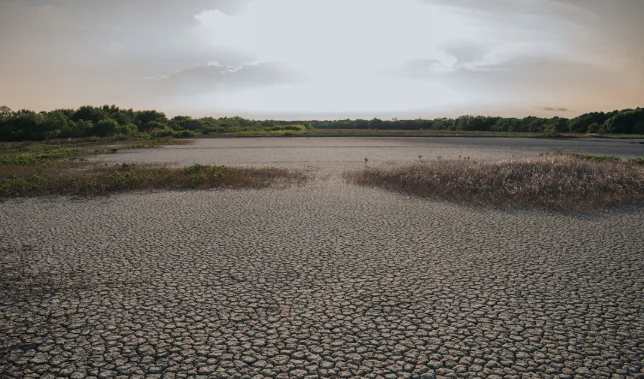
Why Global Water Shortage 2026 Is Increasing
The demand for clean water is rising faster than supply in many parts of the world, leading to severe shortages and long-term sustainability concerns.
Climate Change Impact
Climate change is reducing rainfall in many regions while increasing drought frequency, directly affecting freshwater availability.
Population Growth
The growing global population is increasing demand for drinking water, agriculture, and industrial use, putting pressure on limited resources.
Water Pollution
Industrial waste, agricultural chemicals, and plastic pollution are contaminating rivers and groundwater, reducing the amount of usable clean water.
Regions Most Affected by Water Shortage
Water scarcity is affecting both developing and developed countries, especially in dry and semi-arid regions.
- Middle East and North Africa regions
- Parts of Sub-Saharan Africa
- South Asia with high population density
- Western United States drought-prone areas
Effects of Water Shortage on Daily Life
- Limited access to drinking water
- Reduced agricultural production
- Higher food prices
- Health risks from unsafe water
- Economic instability in affected regions
Global Water Shortage 2026 and Agriculture
The impact of Global Water Shortage 2026 is strongly felt in agriculture, where farmers depend heavily on consistent water supply for irrigation and crop production.
Without sustainable water management, food production systems may struggle to meet global demand in the coming years.
Solutions to Water Crisis
Governments and organizations are working on several solutions to reduce the impact of water scarcity worldwide.
- Water recycling and reuse systems
- Advanced irrigation technologies
- Desalination of seawater
- Water conservation policies
Future Outlook
Experts warn that if current trends continue, water scarcity will become even more severe, especially in regions already facing environmental stress.
However, investment in technology, infrastructure, and global cooperation can help reduce the long-term impact of water shortages.
Global Cooperation and Future Solutions
Addressing Global Water Shortage 2026 requires strong international cooperation between governments, environmental organizations, and local communities. Sharing technology and investing in sustainable infrastructure can help reduce water loss and improve access to clean water.
Public awareness and responsible water usage are also important factors in reducing waste and protecting freshwater resources for future generations.
Related Articles
Global Food Security 2026 | Global Cost of Living Crisis 2026 | Green Data Centers 2026
External Sources
Conclusion
Global Water Shortage 2026 is a growing global crisis that affects health, agriculture, and economic stability. Long-term solutions require innovation, conservation, and international cooperation.
❓ Frequently Asked Questions (FAQ)
What is Global Water Shortage 2026?
Global Water Shortage 2026 refers to the increasing lack of clean and safe drinking water worldwide due to climate change, pollution, and rising demand.
Why is clean water becoming a global crisis?
Clean water is becoming a global crisis because of droughts, population growth, industrial pollution, and the overuse of freshwater resources.
How does climate change affect water supply?
Climate change disrupts rainfall patterns, increases droughts, and reduces the availability of freshwater in many regions around the world.
Which regions are most affected by water shortage?
Regions most affected include the Middle East, North Africa, Sub-Saharan Africa, South Asia, and parts of the United States.
What are the solutions to global water shortage?
Solutions include water recycling, desalination, improved irrigation systems, water conservation policies, and better global cooperation.