Smart Transportation Systems 2026: Powerful Revolution in Urban Mobility and Traffic Control
Smart Transportation Systems 2026 are transforming how cities manage traffic, reduce pollution, and improve urban mobility through advanced technology and digital infrastructure.
With increasing urban populations and rising vehicle usage, cities around the world are adopting intelligent transport solutions to create safer, faster, and more sustainable environments.
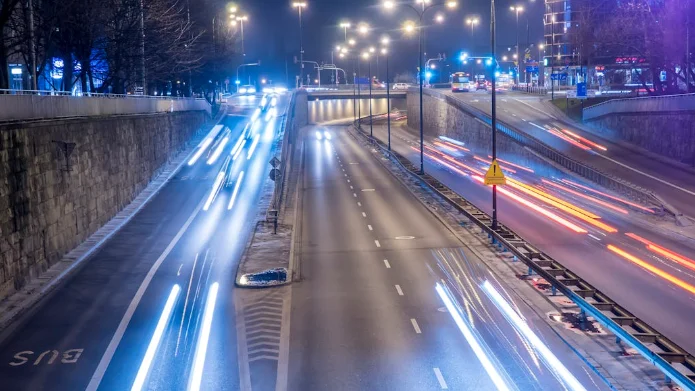
What Are Smart Transportation Systems 2026?
Smart Transportation Systems 2026 refer to the integration of digital technologies, artificial intelligence, and real-time data to manage transportation networks efficiently.
AI-Based Traffic Management
Artificial intelligence is used to analyze traffic patterns, adjust signals in real time, and reduce congestion in busy urban areas.
Smart Public Transport
Cities are improving buses, trains, and metro systems with real-time tracking, digital payments, and optimized routes for better efficiency.
How Smart Transportation Reduces Pollution
By reducing traffic congestion and encouraging electric and shared mobility, smart transportation systems significantly lower carbon emissions in cities.
- Reduced idle engine time in traffic
- Increased use of electric vehicles
- Optimized traffic flow
- Encouragement of shared transport systems
Role of Technology in Urban Mobility
Technology plays a central role in shaping modern transportation systems through data analytics, sensors, and IoT-connected infrastructure.
- Smart traffic lights
- GPS-based navigation systems
- Autonomous vehicle development
- Real-time public transport apps
Smart Transportation Systems in Developing Countries
Developing countries are gradually adopting smart mobility solutions to reduce congestion in major cities and improve transportation efficiency.
However, challenges such as funding, infrastructure limitations, and policy support still need to be addressed for full implementation.
Benefits of Smart Transportation Systems 2026
- Reduced traffic congestion
- Lower air pollution levels
- Faster commute times
- Improved road safety
- Better urban planning
Challenges Facing Smart Transportation
- High infrastructure costs
- Cybersecurity risks
- Data privacy concerns
- Unequal technology adoption
Future of Smart Transportation Systems 2026
Experts believe that smart transportation will continue to evolve with autonomous vehicles, AI-driven logistics, and fully connected smart cities.
This transformation will make urban travel faster, safer, and more environmentally friendly in the coming years.
Global Impact of Smart Transportation Systems 2026
The adoption of Smart Transportation Systems 2026 is not limited to large cities only, but is expanding globally as governments invest in smarter and more sustainable urban infrastructure.
These systems are expected to significantly improve quality of life by reducing travel time, lowering fuel consumption, and creating safer road environments for both drivers and pedestrians.
As technology continues to evolve, smart transportation will become a core part of future smart cities and digital infrastructure worldwide.
Related Articles
Global Water Shortage 2026 | Global Food Security 2026 | Global Cost of Living Crisis 2026
External Sources
- International Telecommunication Union (ITU)
- World Bank Transport Data
- International Energy Agency (IEA)
Conclusion
Smart Transportation Systems 2026 are reshaping urban life by reducing traffic congestion, lowering pollution, and improving mobility through advanced technology and innovation.
❓ Frequently Asked Questions (FAQ)
What are Smart Transportation Systems 2026?
Smart Transportation Systems 2026 are advanced mobility solutions that use AI, sensors, and real-time data to improve traffic management and urban transportation efficiency.
How do smart transportation systems reduce traffic congestion?
They reduce traffic congestion by analyzing real-time traffic data, adjusting traffic signals automatically, and optimizing vehicle flow in cities.
What technologies are used in smart transportation?
Smart transportation uses technologies such as artificial intelligence, IoT sensors, GPS tracking, and smart traffic control systems.
How does smart transportation help reduce pollution?
It reduces pollution by minimizing traffic jams, encouraging electric vehicles, and improving overall fuel efficiency through better traffic flow.
What is the future of smart transportation systems?
The future includes autonomous vehicles, fully connected smart cities, and AI-driven transport networks that improve safety and efficiency.